
Endodontic Retreatment
When is Endodontic Retreatment Necessary?
With appropriate care and a strong final restoration, teeth that have had endodontic treatment can last for many years. However, healing can be affected by complex root anatomy, delayed restoration, or new damage to the tooth over time. Retreatment may be recommended when symptoms persist, infection returns, or new issues are identified during evaluation. Retreatment may be needed when:
-

Curved or narrow canals were difficult to fully treat initially.
-
Complex canals went undetected during the first procedure.
-
A crown or final restoration was delayed.
-
A restoration allowed leakage or contamination inside the tooth.
What Happens During Retreatment?
If retreatment is recommended, the tooth is reopened to access the root canal system. The original filling material is removed so the canals can be thoroughly cleaned and disinfected. Your endodontist will examine the tooth carefully to identify any hidden anatomy, canal variation, or concerns contributing to symptoms. After cleaning, the canals are refilled and sealed, and a temporary restoration is placed. A follow-up appointment with your restorative dentist is important to place a new crown or final restoration. This helps protect the tooth from fracture and prevents bacteria from re-entering the tooth.
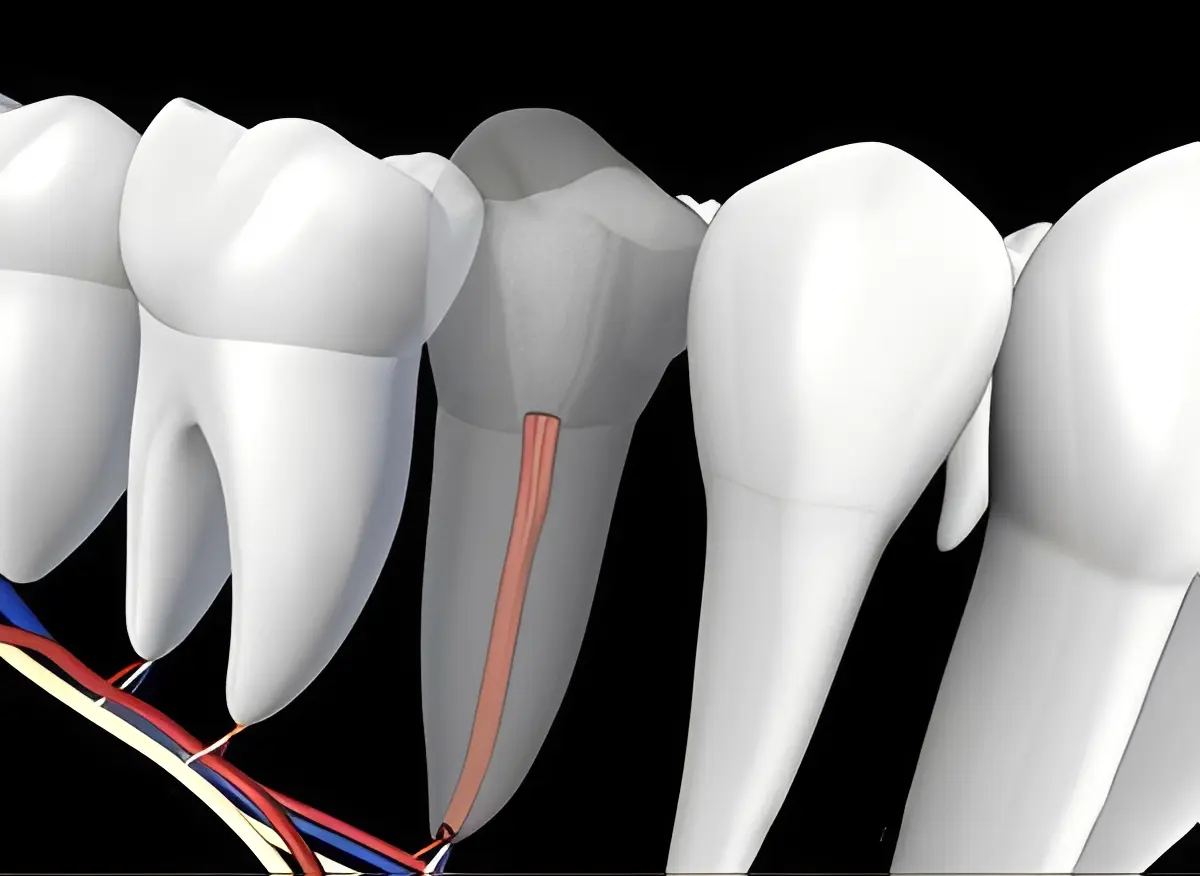
Inflamed Tissue
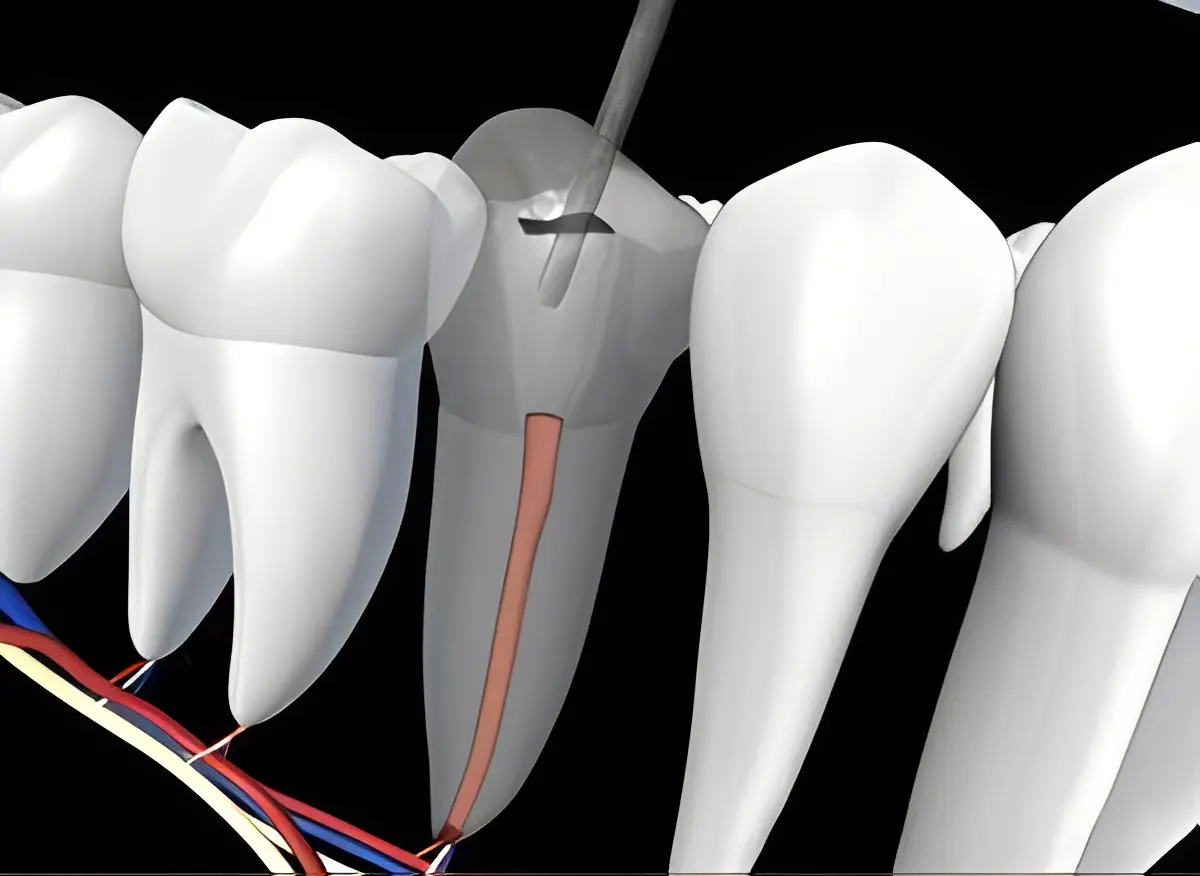
Filling Removed
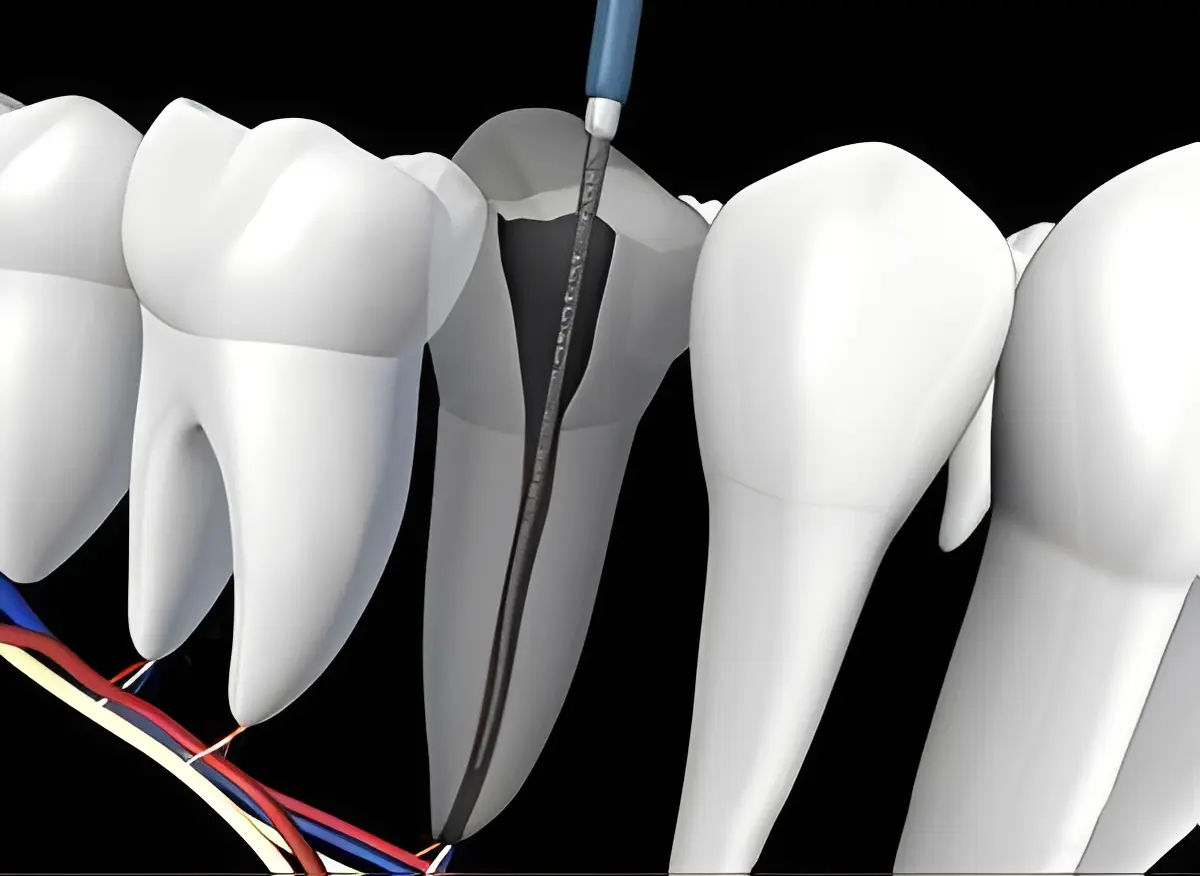
Canals Cleaned
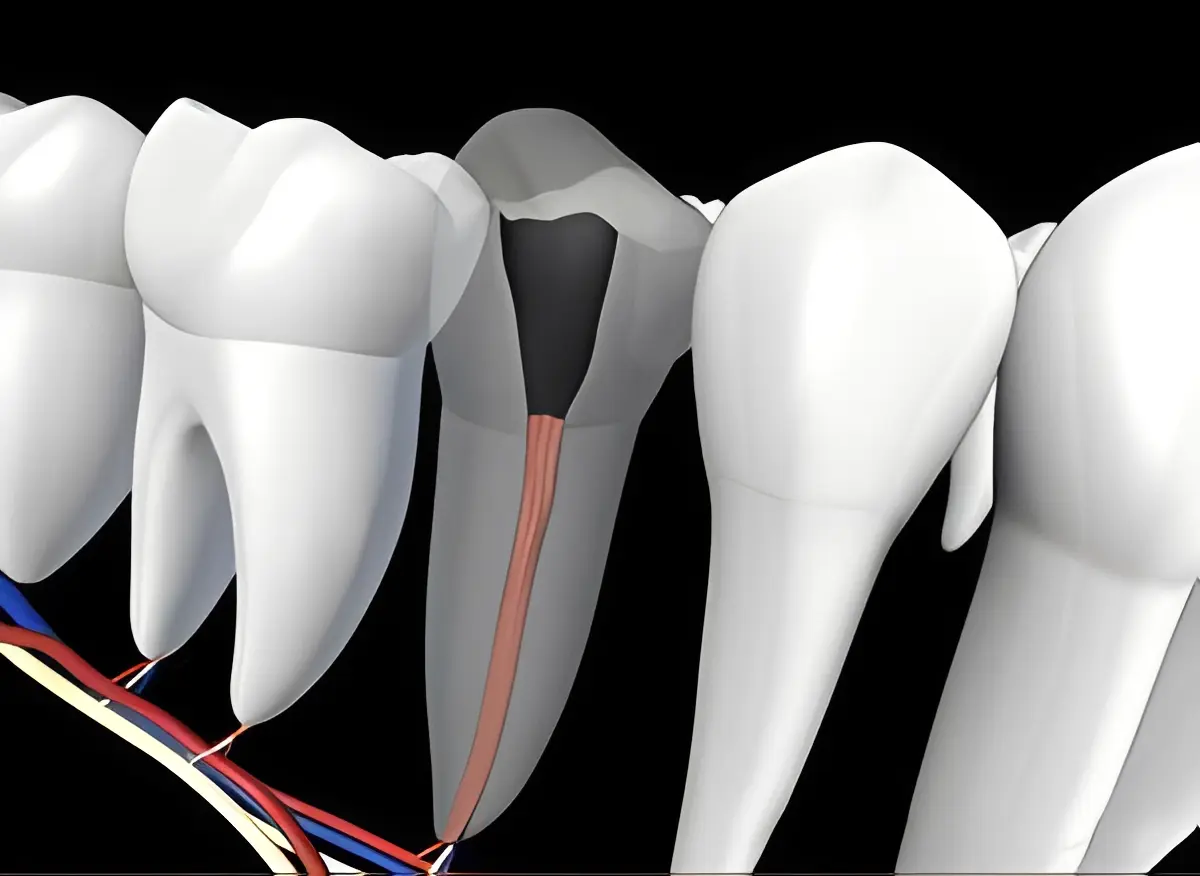
Root Material Placed
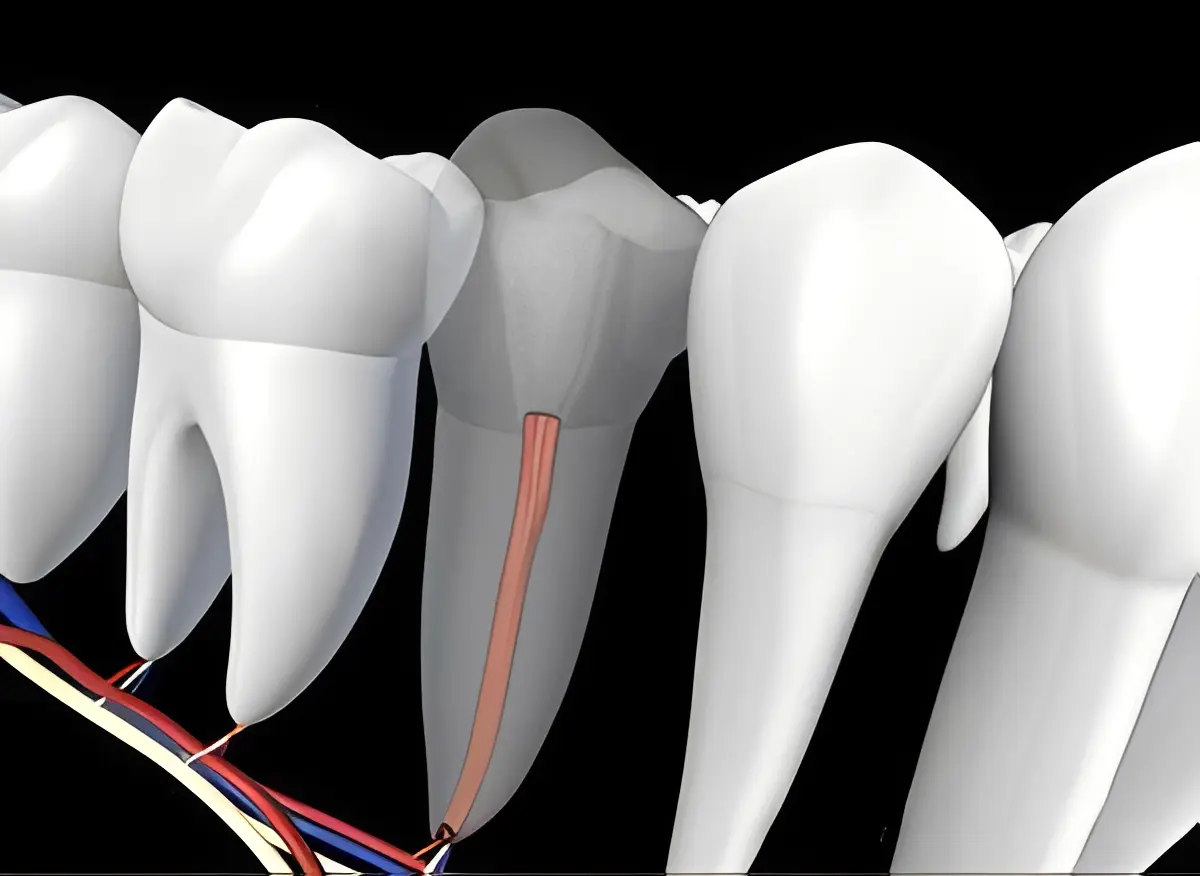
Filling Restored
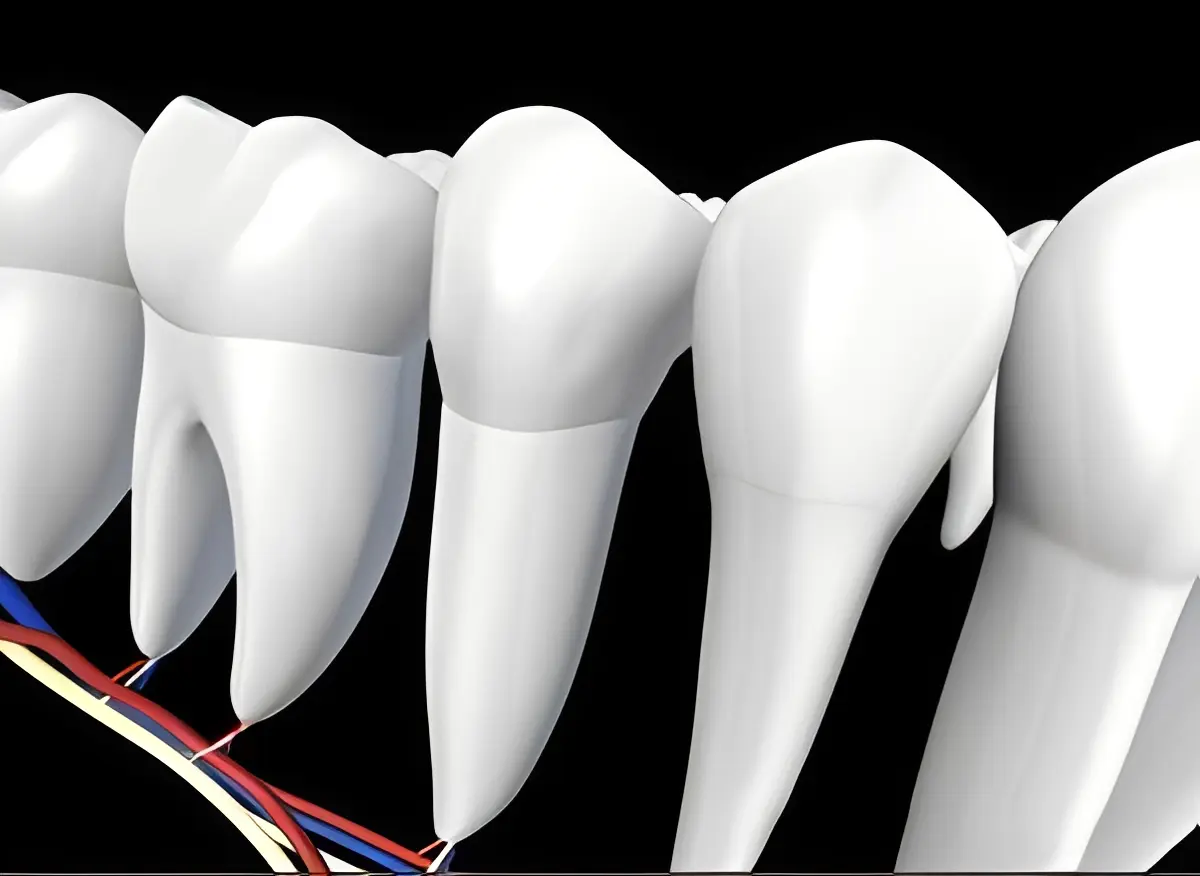
Healed Tooth