
Endodontic Resorption
What is Endodontic Resorption and What Causes It?
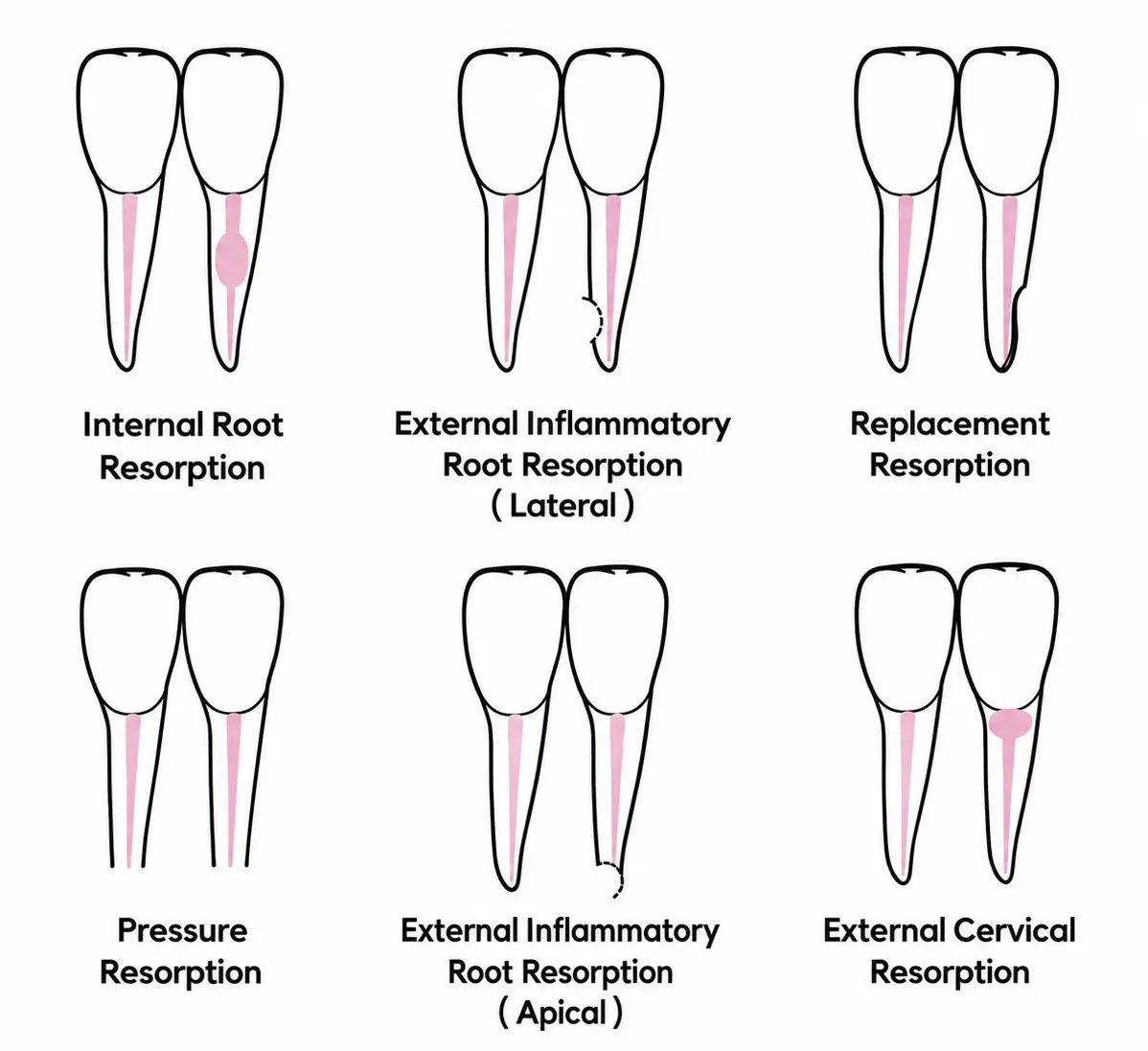
Endodontic resorption is a complex dental condition where your body's own cells begin breaking down and absorbing the hard tissues of a tooth. It can affect the root from the inside of the tooth or begin on the outside surface, and it may progress quietly without obvious symptoms.
Common causes include dental trauma, infection, inflammation. or orthodontic treatment. In some cases, resorption can occur without a clear reason. Because symptoms can be subtle, the condition is often found during routine radiographs.
Diagnosis and Post-Treatment Care
Diagnosis typically relies on radiographs, and CBCT scans may be recommended for more detailed imaging in complex cases. Early detection is key to managing endodontic resorption effectively and limiting further tooth structure loss.
Treatment is focused on stopping the resorptive process and preventing additional damage. Depending on the type and extent of resorption, treatment may involve root canal therapy or more complex endodontic procedures.
After treatment, regular checkups are important to confirm the resorption has been halted and the tooth remains stable. Good oral hygiene, a healthy diet, and routine dental care help support long- term tooth health. If you notice anything unexpected or have concerns after treatment, our team is here to help.
Frequently Asked Questions
It is a condition where the body mistakenly dissolves its own tooth structure. It occurs internally or externally, often triggered by past dental trauma, chronic internal inflammation, or pressure from adjacent teeth.
Resorption rarely causes pain in its early stages. You will likely only know you need treatment if your dentist identifies an unusual pink spot on the tooth crown or notices structural root changes on a routine diagnostic X-ray.
No. The procedure is performed under local anesthesia to ensure you remain comfortable. Any mild, temporary tenderness in the surrounding gum tissue after the treatment can be easily managed with standard over-the-counter relievers.
Success depends on early detection. If the condition is caught before it compromises too much of the root structure, specialized biocompatible materials have an excellent success rate in halting the breakdown and saving the tooth.